

Turkey Ready TMJ
The temporomandibular joint is easily one of the joints used most often in the human body from day to day. The temporomandibular joint, TMJ, is the joint that involves the meeting of the jaw, or mandible, with the skull. The joint is recruited every time the jaw is opened, closed, protruded, retracted, or moved side to side. Ie. Saying “ah” at the dentist, clenching your teeth during a traffic jam, singing your heart out at karaoke night, eating holiday festive food.

Thanksgiving is right around the corner and the TMJ will be recruited in order to devour mounds of delicious food. Some people would not think twice about what will be on their plate, however some people must make hard decisions knowing that feasting on some food demands too much of the TMJ resulting in dysfunctional pain.
The TMJ articulations involve a disc, synovial fluid, nerve dense tissues, and muscles. When the TMJ is not functioning correctly, pain is often reported due to the high amount of nerve innervation to the area. A high amount of nerve innervation is necessary because it is important to be aware of sensation at the TMJ because it is used so often.
JOINT USED A LOT = NEED TO KNOW WHERE IT IS IN SPACE = LOTS OF NERVE INNERVATION = HIGH SENSITIVITY = INCREASED AWARENESS OF DYSFUNCTION
Discomfort associated with the TMJ can present in many ways. Some symptoms included headaches, neck tension, ear pain, and limited or increased jaw motion.
To decrease discomfort and more importantly determine the reasons of dysfunction, it has become more widely accepted to explore conservative options such as mouth guards, manual muscle work and physiotherapeutic interventions that can be offered through a number of specialists.
Treating a TMJ is not out of the spectrum for chiropractic care. It is actually a highlighted region that some chiropractors have a strong education of. Evaluating the physical motion of the joint, recording a history and pattern of discomfort, and assessing the influential musculature and posture can lead to a solid treatment plan recommendation.
We hope that you can enjoy your holiday treats without TMJ pain. If you are concerned about any issues or wondering if you may be dealing with a TMJ dysfunction, be sure to ask us!
Choosing The Right Chiropractor
Getting Started
Finding the right chiropractor isn’t always as easy as going with first one Google delivers. When it comes to your health, you want to make sure you’re going to someone who’s qualified, trustworthy, helpful and friendly — not to mention experienced in treating the specific problems you’re having and/or the specific treatment you need.
If you’re in need of chiropractic care, East End Chiropractic can help. Our website offers information about our office who we are and the treatments we specialize in you can also call us with any questions you might have). If you’re just starting your search for a new chiropractor, though, here are a few steps worth taking to make sure you find the right match for you.

Take your time and do the research. It is critical that you feel confident about your choice.
Research In Person and Online
Asking friends and family for their personal experiences is always helpful, particularly if you know people who’ve been treated for issues similar to the ones you’re experiencing. But if you come up short on personal recommendations, the web remains a valuable tool. East End Chiropractic is listed among Yelp’s Best Chiropractors in Nashville with a 5 star rating, and has 4 and 1/2 stars on Google reviews. The great web feedback we receive makes us proud, because it’s an outgrowth of helping our patients which is our goal and our passion. And we’ve found that when you truly strive to meet your patients’ needs, a good online reputation follows.
Ask Questions
Different chiropractors specialize in a variety of treatments and methods. At one office, you might see high-tech tools and treatments; at another, a greater focus on myofascial release or acupuncture. If you’ve had a great response to a certain technique or treatment in the past, talk to potential chiropractors about their approach and find out if you might be able to continue that treatment. If you have a particular symptom that you want treated — like headaches, which we treat regularly and successfully at our office — see if that’s among your potential doctor’s specialties. Never hesitate to ask questions when it comes to finding the right treatment. That’s what we’re here for!
Call Your Insurance Company, Or Check Its Website
Sometimes, your health insurance policy will help cover chiropractic care. Your insurance’s customer service line or website can be a great place to start, so you can collect a list of in-network chiropractors to research further. (Also, if you don’t have insurance or if we’re not in-network with your insurance carrier, chiropractic care can still be an affordable option at our office. We offer discounts to self-pay patients who pay at the time of service.)
If there’s anything you want to know about chiropractic care or what to expect on a first chiropractic visit, let us know! You can reach us at (615) 650-6533 or info@eastendchiro.com.
Help with Headaches
Headaches Can Be Debilitating
Getting a chiropractic adjustment isn’t just for back pain. You might not think your back is related to that headache you’ve been getting over and over, but many issues we experience throughout our bodies relate to tension and misalignment of the spine—headaches included. It is estimated that 9 out of 10 Americans suffer from headaches. And yet, we are told that headaches are not normal. So what’s the deal? East End Chiropractic can help you by discussing a treatment plan to relieve recurring headaches.

There are a few different types of headaches and numerous triggers. Identifying this is an important step in stopping painful headaches.
How do we get headaches? The spine protects our nervous system, which communicates sensations to the brain. When our spinal motion and alignment is off, this puts tension on the nerves, resulting in a headache. There are many other things that affect our bodies and can create headaches, such as foods, environment, and physical activity. Americans often sit in one position for long periods of time (such as sitting in an office chair) and this causes spinal tension and alignment issues.
What kinds of headaches are there?
Migraine. The ‘mother’ of all headaches, this type is often accompanied by nausea, blurred vision, light sensitivity, and intense pain that can leave you bedridden even after taking maximum doses of pain medication.
Pain in the neck. A cervicogenic headache is just that—pain that originates from tension in the neck. These headaches usually are felt on the side of the head.
Tension is the modern American’s middle name, and it comes with headaches that can feel like your head is gripped in a vice. These can also originate from tension in the neck.
The National Institute of Health has concluded that chiropractic care is effective in the treatment of headaches. While chiropractic care offers immediate relief from your headache symptoms, ongoing treatment may be beneficial in keeping your spine moving correctly to prevent recurring issues. We can also discuss ways to improve your lifestyle that will benefit your overall health and well-being.
Contact us today at 615-650-6533 to schedule an appointment.
Chronic Back Pain & Chiropractic Treatments
Pain is one way our bodies try to get our attention. When that pain is chronic, people often feel overwhelmed, depressed and hopeless. According to the Global Burden of Disease 2010, low back pain is the number one cause of disability worldwide. Many people who suffer with back pain also suffer from depression due to the impact the pain has in other areas of their lives. If you suffer from low back pain, it is likely you already know how debilitating it can be.
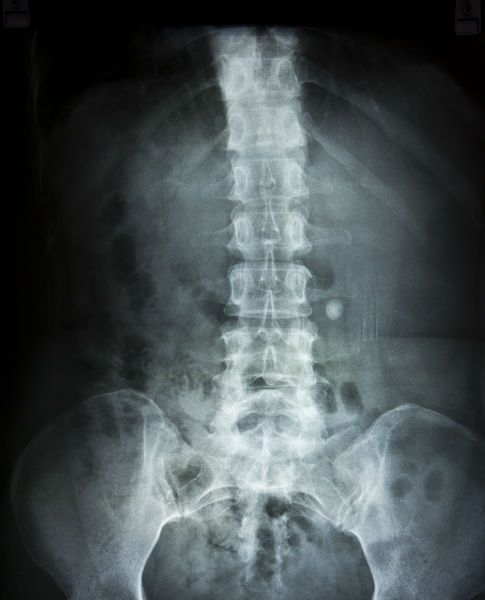
X-Ray of spine are often needed to determine most successful approach.
Can a Chiropractor be a resource for your pain-management plan? Generally speaking, when treating a back pain issue, physicians like to start with conservative and cost-effective approaches first. For many patients, this includes a visit to a Chiropractor. Patients report a decrease in spinal pain with manipulation — particularly with non-specific low back pain. Let’s look at some of the research.
“Patients with chronic low-back pain treated by chiropractors showed greater improvement and satisfaction at one month than patients treated by family physicians. Satisfaction scores were higher for chiropractic patients. A higher proportion of chiropractic patients (56 percent vs. 13 percent) reported that their low-back pain was better or much better, whereas nearly one-third of medical patients reported their low-back pain was worse or much worse.”
– Nyiendo et al (2000), Journal of Manipulative and Physiological Therapeutics
As of May, 2013 the Journal of American Medical Association recommends that patients with low back pain seek chiropractic care as a non-invasive/non-surgical way to manage low back pain.
Bottom line on chronic pain: it can exacerbate other health issues; including mental health issues. If you are one of the millions who live with prolonged back pain, a chiropractor may be a good option for you. Many patients have reduced pain and it is an economical option, as well as one that starts with the least amount of intervention. Your Chiropractor may also be able to give you lifestyle recommendations to reduce the strain on your back. Having a chronic condition means that in order to sustain a quality of life, each sufferer must find a way to navigate and diminish the moments that pain steals away.